
Reviewed · DMZ TOURS
Private DMZ Tour from Sokcho near Seoraksan Mt.
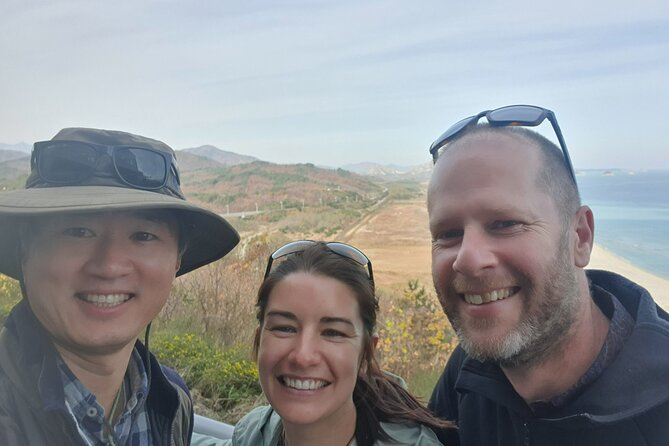
What makes this Private DMZ Tour from Sokcho different is the setting. You start on Korea’s east coast, then work your way toward the border through Goseong in Gangwon-do, with time to make sense of what you’re seeing.
Two things I really like about this day plan are the extra time at the observatory and museum (so the story lands), and the fact that you also get food and architecture that connect the DMZ to everyday life, not just headlines.
One possible drawback: this trip is emotionally heavy and weather dependent. If conditions are poor, your day may shift, and you should plan to dress for cold and comfort on a long 7-hour round trip.
Key highlights you should care about
- Private group feel with pickup offered, so you can ask questions without rushing.
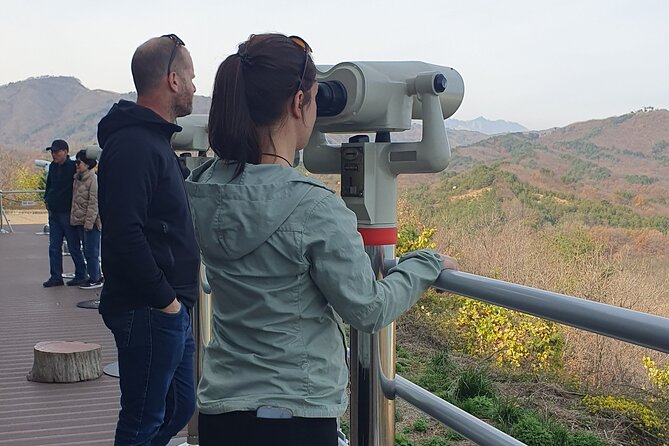
- Goseong Unification Observatories for views of the border area, with meaningful pre-context before you look.
- DMZ Museum included for the history behind how the DMZ formed and why the separation still matters.
- North Korean cuisine lunch in the former North territory region, with vegetarian options available.
- Goseong Wanggok Maeul to see traditional Korean houses with government support for residents keeping older ways.
- Guide-led storytelling from Chan, known for clear explanations and an easygoing, flexible pace.
Why a DMZ Day from Sokcho feels calmer than Seoul
A lot of DMZ tours start from Seoul, move fast, and feel like a hit-and-run. This one starts in Sokcho, which naturally makes the day feel more grounded. You get an hour-drive style rhythm, plus a chance to pair it with Seoraksan if that’s on your trip list.
The big value here is pacing. You do not just get tossed at a view and sent on your way. The day builds step by step: first context, then the border area, then the museum, then life after separation shows up in food and in a traditional village.
And because this is private, you are not stuck listening to 20 different questions in a single line of time. I like the way that changes the tone. It becomes more like a careful conversation with a driver who knows the route and a guide who can explain what you’re looking at.
More of Seoraksan:
- Seoul: Mt.Seorak, Nami Island & Korean Garden, No Shopping
★ 4.8 · 614 reviews - Seoul: Seorak Mountain, East DMZ, and Sokcho Tour
★ 5.0 · 3 reviews
Chan’s route through Goseong: Unification Observatories in the right order
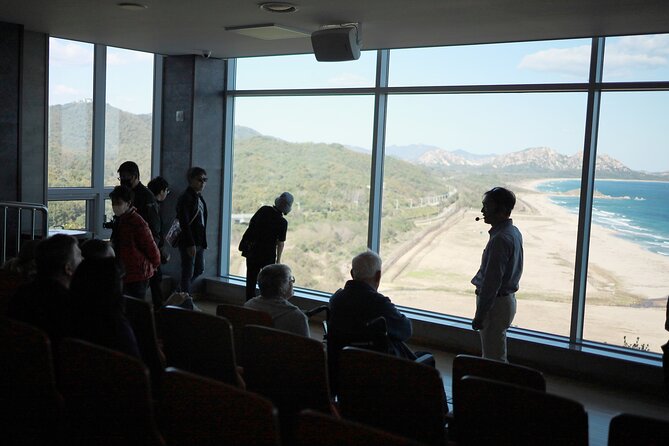
Your first stop is Goseong Unification Observatory, and the tour is set up in a smart sequence. You start with a Korean War exhibition hall before going to the border view. That matters more than it sounds. Looking across a line without the background can leave you staring at scenery instead of understanding the human cost.
After the exhibition hall, you move to the border viewing area from the same Goseong observatory region. You get time to look out from one of the most tense, tightly controlled border landscapes in the world. The tour structure also means you are not just taking photos. You’re getting help connecting what you see to the separation story.
From what I’ve seen on days like this, observatories can turn into quick checkboxes. This one is different because the time blocks are substantial: about 40 minutes for the exhibition portion at the start, and about 1 hour for the observatory/border viewing experience afterward. That gives you a real chance to ask questions while your brain is still in the right frame.
One practical consideration: bring patience if you are sensitive to strong visuals or political topics. This is not “fun tourism.” It is educational, but it can feel heavy.
The DMZ Museum: where the story actually clicks
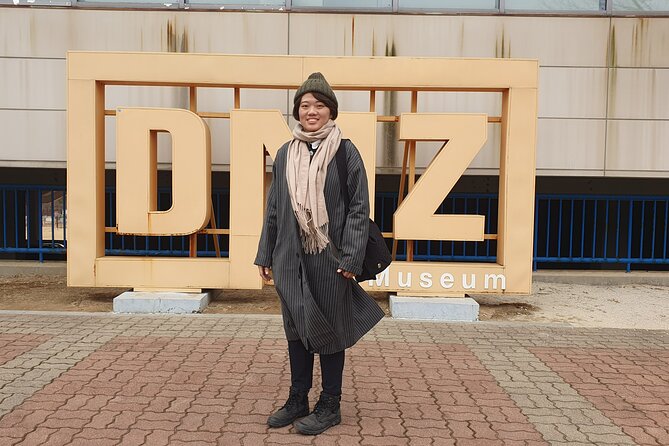
Next up is the DMZ Museum, and this is a key part of making the whole day make sense. The DMZ is more than a strip of land. It became a symbol of the divided nation, and the museum experience is built to explain how the DMZ was set up after the war and what separation has meant for people since then.
The museum stop runs about 1 hour and includes admission. That’s the sweet spot for most people. Long enough to catch the major themes, short enough that you still have energy left for the observatory area and the rest of the day.
I also appreciate that this museum stop comes after you already visited the border observatory. You are not absorbing everything first in a classroom. You see a key viewpoint, then you return indoors to understand what created that line and why it has lasted.
If you like museums, you will probably enjoy this one. If you usually skim exhibits, use the guide. Ask him to point out the details you should watch for, and you’ll get more value out of the same walls and displays.
North Korean lunch in Goseong-gun: food as a cultural time machine

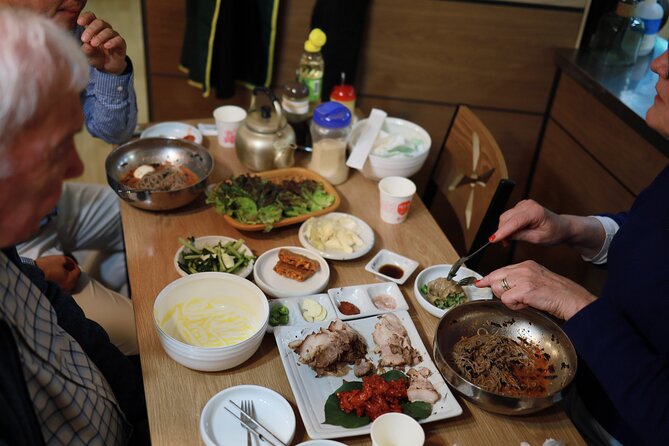
After the museum, the tour shifts from history mode to daily life mode. You eat lunch in Goseong-gun, an area that used to be part of North Korean territory before the Korean War. Over time, many people who evacuated settled there, and the local food carries that imprint.
Lunch is about 1 hour, and it is included. The meal is described as genuine North food, with vegetarian options available. That is a big deal because a lot of “special meal” experiences turn into complicated ordering. Here, you can plan ahead and still eat comfortably.
One small drawback to plan for: the tour includes lunch, but it does not list coffee or tea as included. If you rely on caffeine to reset after intense history stops, consider bringing water and keeping your expectations realistic.
I like how this lunch stop adds balance. After the border and museum, you get something your body can process in a calmer way. And food is often the fastest route into understanding how ordinary people live, not just what headlines say.
Goseong Wanggok Maeul: traditional architecture you can actually see
The final major cultural stop is Goseong Wanggok Maeul, a village focused on traditional Korean architecture. The point is simple: the houses and ways of living have been kept in a traditional way by local residents, and the government supports them so the older style doesn’t vanish.
You’ll have about 1 hour, and admission is included. This is where the day turns from politics back into place. The DMZ is separation, but Korea is still Korea, with older neighborhoods and living traditions.
In one example from the experience, the homes were described as dating back to the 18th or 19th century, which tells you the focus is not staged replicas. It’s about observing architecture and village structure tied to long-term residence.
Practical tip: wear comfortable shoes. Even if the village portion is not a long hike, you’ll likely move around to see different angles and details.
Price and logistics: what $140.98 buys you in real terms
At $140.98 per person, this tour sits in the mid-to-upper tier for a DMZ day trip. But you should judge it by what you get, not by what it costs.
You’re paying for:
- A private format rather than a crowded group shuffle
- Admission for major stops like the observatory and DMZ Museum
- Lunch included
- An air-conditioned vehicle for a full 7-hour day including travel
- Pickup offered, with the day returning you back to the meeting point
The value also improves when you compare it to the cost of cobbling this together yourself. DMZ travel is logistically annoying, and admissions plus time plus coordination add up quickly. Here, everything is bundled into one route.
Another factor: timing. The experience is often booked about 54 days in advance, so if you want your preferred day, I’d treat it as a plan-not-a-guess situation. Private tours can sell out, and you don’t want your DMZ day to become a scramble.
What the 7-hour day feels like in practice

This is a full-day outing at roughly 7 hours, and that total includes travel time. Most DMZ experiences feel shorter because you’re stuck waiting. Here, the order of stops is designed to keep the flow moving: context first, border viewing second, museum third, then lunch, then the traditional village.
That structure helps you process what you’re seeing. You’ll also notice that the day includes a mix of quiet looking time and explanation time, which makes the emotional content easier to handle.
If you’re pairing this with Seoraksan, think about how tired you’ll be afterward. The DMZ part will take mental focus, and the last village stop may be the most physically tiring simply because it often involves walking and standing for views and details.
A small tip from the way the guide works: if you have specific interests, tell Chan early. Groups in the past have shared that he answers questions and adjusts pace when needed, and that kind of flexibility is especially helpful on cold or delayed mornings.
So, who should book this Private DMZ tour from Sokcho?
Book this if you want a DMZ visit that feels more personal, not rushed. It’s a good fit for couples, solo travelers, and small groups who like asking questions and want the story in a clear order.
It’s also ideal if you’re already going to Seoraksan and want a second big attraction without spending your vacation in transit. The Sokcho starting point makes it easier to turn one region into two meaningful stops.
Skip this if you want a light, casual day or if you hate emotionally serious content. This is history with real consequences, and it can feel dark even when the conflict has quieted.
Should you book this DMZ day trip from Sokcho?
If you’re choosing between a generic DMZ tour and a private, story-led route from Sokcho, I think this is the kind you’ll remember longer. The combination of observatory time, DMZ Museum context, North Korean lunch, and Goseong’s traditional village gives you more than one angle on the same subject.
I’d book it if you care about understanding, not just checking a box. And I’d plan your day with weather in mind, dress for cold if you’re traveling outside warm months, and leave room in the evening for a calmer decompression after the museum.
FAQ
How long is the Private DMZ Tour from Sokcho?
The tour is about 7 hours total, and that total includes travel time.
Where does the tour start and end?
It starts at 3988 Donghae-daero, Sokcho-si, Gangwon-do, South Korea, and it ends back at the same meeting point.
What stops are included in the itinerary?
The tour includes Goseong Unification Observatory (including an exhibition hall and a border-view portion), the DMZ Museum, lunch in Goseong-gun featuring North Korean cuisine, and Goseong Wanggok Maeul to see traditional Korean architecture.
What’s included in the price?
Included: air-conditioned vehicle, all fees and taxes, and lunch. Admission tickets for the observatory and DMZ Museum are included, and lunch is provided.
Is pickup offered for this tour?
Yes, pickup is offered. The tour starts from the provided meeting area, and you may be able to coordinate pickup.
What happens if weather is bad?
The experience requires good weather. If it is canceled due to poor weather, you will be offered a different date or a full refund.
More DMZ Tours from Sokcho
- Best DMZ Tour Korea from Seoul (Red Suspension Bridge Optional)
★ 5.0 · 41,422 reviews - DMZ Tour: 3rd Tunnel, Option(Suspension Bridge, Boat) from Seoul
★ 5.0 · 21,373 reviews - DMZ tour south Korea from Seoul (NK experience hall, defector)
★ 5.0 · 20,599 reviews - DMZ Insider Tour: 3rd Tunnel, NK Defector Meet & Red Bridge
★ 4.9 · 15,214 reviews
Recently reviewed in Sokcho
- Seoul: Seorak Mountain, East DMZ, and Sokcho Tour★ 5.0 · 3 reviews
- Seoul: Mt.Seorak, Nami Island & Korean Garden, No Shopping★ 4.8 · 614 reviews
DMZ Tours, compared.
Best DMZ Tour Korea from Seoul (Red Suspension Bridge Optional)
Read our review →
DMZ Tour: 3rd Tunnel, Option(Suspension Bridge, Boat) from Seoul
Read our review →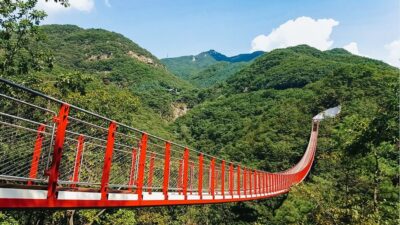
DMZ, 3rd Tunnel and Optional Suspension Bridge Tour
Read our review →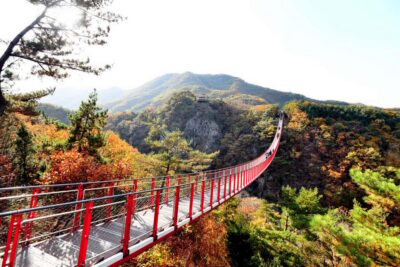
The Best DMZ Tour with Optional Suspension Bridge
Read our review →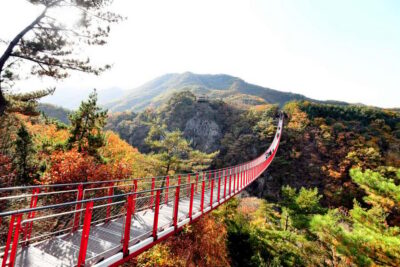

Thrilling Korean DMZ 3rd Tunnel Tour from Seoul + Red Bridge Rush
Read our review →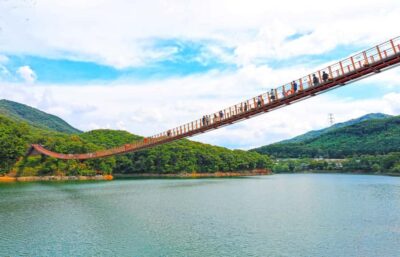
DMZ Tour & Suspension Bridge (Option English/Spanish)
Read our review →
DMZ Past and Present: Korean Demilitarized Zone Tour from Seoul
Read our review →Browse the lists this tour appears in