
Reviewed · PALACES
Seoul: Gyeongbokgung Palace Half day Tour
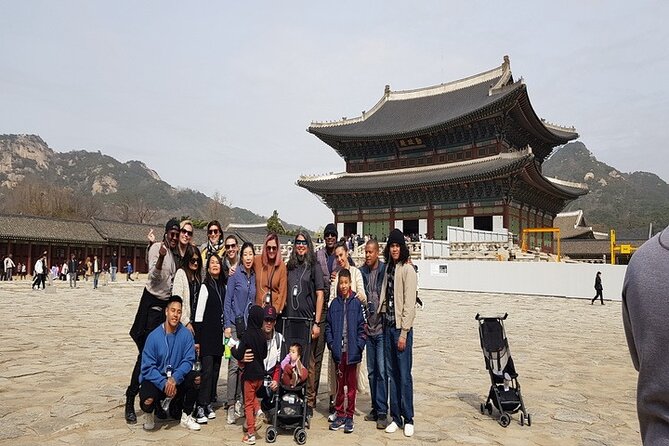
A half-day guided tour of Gyeongbokgung Palace is interesting because it turns one big place into a clear story you can actually follow. You get English explanations tied to the palace’s layout, royal life, and what you’re looking at, all in a manageable timeline.
Two things I really like about this experience are the focus on the Joseon Dynasty and the way the guide points out the architectural details you might miss if you wander on your own. One drawback to consider is that you’re on a tight schedule for a big site, so it’s not the best pick if you want to linger for hours in every courtyard.
Key highlights you should care about
- English in detail so you can ask questions and connect what you see to the bigger picture
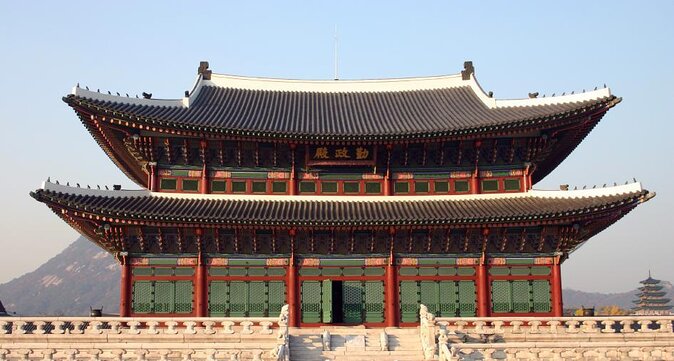
- Major stops in a logical order, from Gwanghwamun Gate to Gyeonghoiru Pavilion
- Animal statues and stories show up throughout the palace, not just as decoration
- Admission included with a mobile ticket, so you spend less time figuring things out
- Small group size (up to 20) helps you keep up and hear the guide
- On Tuesdays Gyeongbokgung is closed, and you’ll need an alternate plan
Why Gyeongbokgung Palace works well in a 2-hour tour
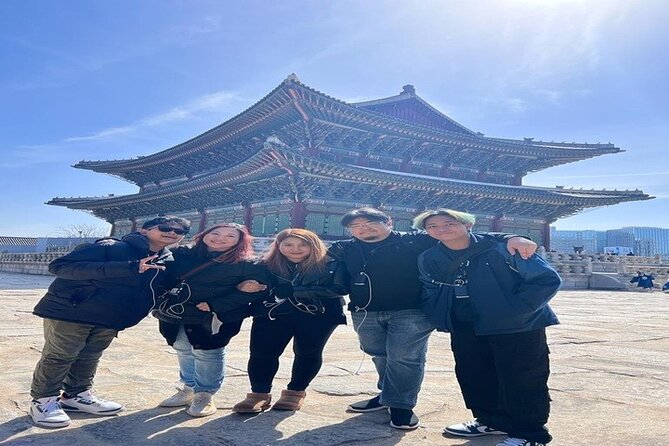
Gyeongbokgung is one of Seoul’s true “core” sights. It was built in 1394 and is the oldest and most important of the five main palaces in Seoul. Even with damage during the Japanese Colonial Period, the palace’s value has been preserved through ongoing restoration work, which means you’re seeing a place that is both historical and actively maintained.
The reason a guided half-day makes sense here is simple: the palace is huge, and self-guided wandering can turn into photo stops without context. With this format, you get the structure fast, then you can decide what you want to explore further afterward on your own. Think of it as getting your bearings fast.
This is also a good “first palace” option because the guide’s route hits the places that explain power, daily life, and ceremonial space. In about two hours, you’ll walk away with a sense of who lived here and how the palace was meant to function.
More Gyeongbokgung visits:
- Seoul: Gyeongbok Palace, Bukchon Village, and Gwangjang Tour
★ 4.9 · 2,321 reviews - Best Seoul City Tour (Gyeongbokgung Palace,Insadong,Namsan Tower)
★ 5.0 · 1,647 reviews - Seoul City Sightseeing Tour Including Gyeongbokgung Palace, N Seoul Tower, and Namsangol Hanok Village
★ 5.0 · 1,423 reviews
Starting at the National Palace Museum of Korea, then heading to the royal gates
You begin at the National Palace Museum of Korea near 12 Hyoja-ro in Jongno District. That location matters because it puts you near the palace area, so you’re not spending time commuting across town before the real experience starts. It’s also a spot where you can get your head around the museum and palace connection if you choose to continue later.
From there, your tour focuses on the palace entry experience and the layout. Your first big stop is the Gwanghwamun Gate, the south gate of Gyeongbokgung. Gates in palaces are more than entrances. They’re signals about hierarchy and movement, where you’re allowed to go, and how visitors are meant to understand the space.
A quick practical tip: arrive early enough to settle in before the group leaves the meeting area. The tour runs about 2 hours, so you do not want to burn minutes trying to catch up.
Gwanghwamun Gate and the story the palace wants you to notice
At Gwanghwamun Gate, you’re really learning how the palace frames everything that comes next. Your guide’s explanations help you understand what the gate represents and why it’s such a central starting point. If you’ve ever walked up to a huge landmark and felt like you missed the meaning, you’ll appreciate having someone put it into words right away.
This is where the tour’s value shows. The palace isn’t just architecture, it’s a system. Once you understand the flow from entrance into ceremonial and administrative spaces, the rest of the tour clicks.
You’ll also get a sense of the restoration context as you move through major structures. Since Gyeongbokgung has been damaged historically and then restored, seeing the original design ideas alongside restoration efforts gives you a more realistic impression of how heritage survives over time.
Geunjungjeon and Sajeongjeon: where the power talks get serious
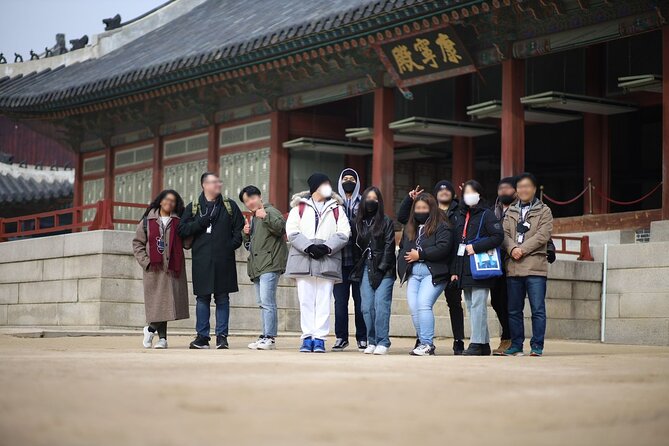
Next up is Geunjungjeon, the main throne hall. This is the kind of place where self-guided visitors often take photos but miss what the space is doing. On this tour, you get explanations tied to the kings of Joseon and the role this hall played in governance and authority.
Then you move to Sajeongjeon, the king’s office space. The difference between “throne hall” and “office” matters, because it shows that royal life wasn’t only ceremonies and public moments. It was also planning, decisions, and administration.
If you enjoy history that connects to real spaces, these two stops are the heart of the tour. They help you see the palace as a working environment, not just a backdrop. And since the guide is there to answer questions, you can ask what you’re wondering about while it’s relevant, not after you’ve already moved on.
More Palace Visits in Seoul
- Small-Group Royal Palace and Seoul City Tour (hotel pick-up)
★ 5.0 · 1,474 reviews - Seoul: Gyeongbok Palace, Bukchon Village, and Gwangjang Tour
★ 5.0 · 1,044 reviews - Seoul: Palace, Temple and Market Guided Foodie Tour at Night
★ 4.9 · 750 reviews - Seoul Highlights: Gyeongbok Palace, Insadong & N Seoul Tower
★ 4.7 · 726 reviews
Gangnyeongjeon and Gyotaejeon: royal bedrooms, daily rules, and what changed
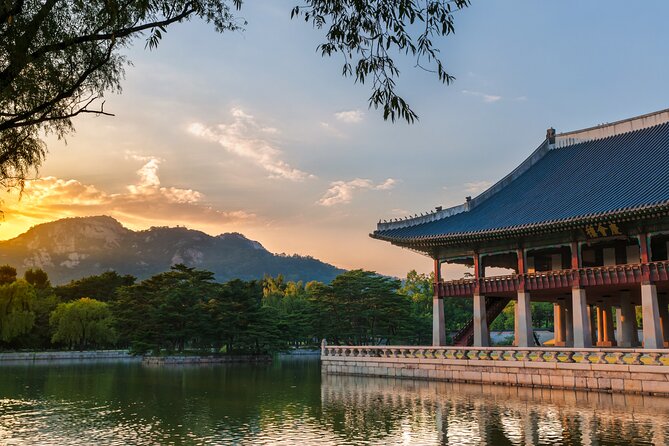
From the public and administrative areas, the route shifts to more private royal rooms. You’ll visit Gangnyeongjeon, the king’s bed-chamber, and Gyotaejeon, the queen’s bed-chamber.
These stops can surprise people in a good way. The palace isn’t only about grand displays. It includes the spaces where routines happened and where hierarchy still mattered. Your guide’s explanations help you connect the rooms to the Joseon way of life, so the bedrooms don’t feel random. They’re part of the same story about structure, roles, and court culture.
A consideration here: because the tour is about two hours, you don’t get to spend long stretches in every room. You’ll get the key ideas, but you might not get the “I want 30 minutes here” depth in each chamber. If that’s your style, plan to return later or add extra time after the tour.
Gyeonghoiru Pavilion: an event hall with a sense of occasion
Your itinerary includes Gyeonghoiru Pavilion, the event hall. This is one of those stops where palace architecture starts to feel more like theater. The space is about gatherings and ceremonial moments, so your guide’s commentary helps you understand why this pavilion exists and what kind of events it was meant for.
This portion of the tour also helps you get a broader feel for palace life beyond command centers. If the first half made you think about power and administration, the event hall reminds you that the court also managed public perception and ceremonial rhythm.
And this is where those animal statues and stories can really land. The guide points out the animal figures placed throughout the palace, so the decorative details become meaningful instead of just visual clutter. If you like spotting motifs, you’ll likely enjoy the way the tour turns your attention into a scavenger hunt for symbolism.
What the English guide adds, especially if you have questions
The biggest praise this tour gets is the guide. One review highlighted Gabriela for being kind and for offering insight you would not get if you toured the palace on your own. That matches what you should expect from a well-run guided walk: you see more because someone helps you connect the dots.
The tour is explicitly described as offering explanatory detail in English, and it’s designed so you can ask questions. For me, that’s a key difference. In palaces, a lot of the interesting stuff is not obvious from a sign. With a guide, you can ask why a space is arranged a certain way, what a particular hall was used for, or what specific features mean.
There’s also real value in having someone help with practical issues. In one review, Gabriela went out of her way to find a participant who had walked to the wrong meeting spot. That tells me the operator is paying attention to the human side of the day, not just leading a route like a robot.
Route planning: how the stops fit together inside one half day
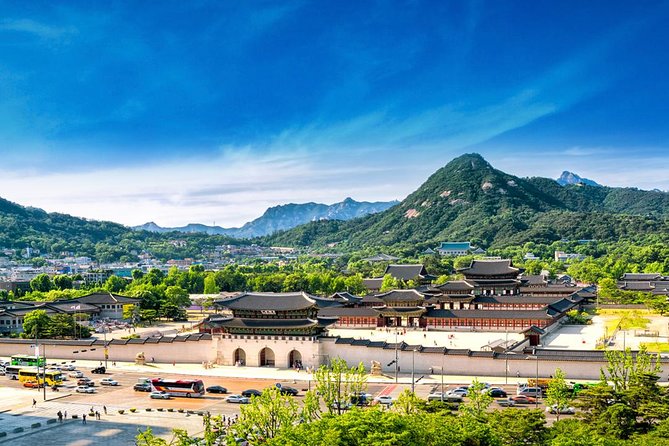
This tour’s stop list is smart because it follows how you’d want to learn the palace in layers:
- You start with the main approach and gate experience.
- You move into central authority through the throne hall.
- You shift to administration with the office space.
- Then you go into private royal spaces for the king and queen.
- Finally, you finish with an event-focused pavilion.
That progression is useful. It reduces confusion and makes the palace feel like a coherent place rather than disconnected buildings. Even if you take lots of photos, the guide helps you make your pictures “mean something.”
A practical note: the tour lasts about 2 hours, and it has a maximum group size of 20. That usually means you’re not sprinting, but you also shouldn’t expect long pauses. If you’re the type who gets distracted by every detail, you may want to decide in advance which areas you want to remember most so you can enjoy the rest without stressing.
Price and value: what $35 buys you in Seoul
At $35 per person, this is priced like a guided entry experience rather than an all-day tour. The value isn’t just the guide, it’s what’s included: admission ticket included and mobile ticket. That combination matters because it reduces friction. You spend your time in the palace instead of sorting out what to buy and where.
You’re also getting an English explanation tied directly to multiple palace highlights, which is a strong use of a limited afternoon. In Seoul, time costs real money, especially when you’re juggling multiple sights. A tight, structured half-day can be a smart way to hit the “must-see” with context, then use the rest of your time more freely.
So who is this best for? If you want history and architecture explained clearly, you’ll likely feel you’re getting your money’s worth. If you only want photos and don’t care about context, the price might feel less compelling, because the tour’s purpose is understanding, not just walking.
Practical tips before you go: mobile ticket, no filming, and Tuesday reality
You’ll use a mobile ticket, and your confirmation happens at booking. The tour operator will inform you via email or WhatsApp about the meet-up place and time, so you’ll want to keep your phone handy that day. The start is near public transportation, which is helpful in a city like Seoul where commuting can make or break your schedule.
Two rules matter for your expectations. Recording or filming the tour is not allowed, and pets are not allowed. If you’re the type who likes to record everything, you’ll need to adjust your plan for the guided portion.
Also remember the big calendar issue: Gyeongbok Palace is closed on Tuesdays. The operator notes that you can book their Deoksugung night tour instead. So if your trip lands on a Tuesday, don’t wait until the last minute to figure out your palace plan.
Finally, this experience requires good weather. If weather is poor, the tour may be canceled and you’ll be offered a different date or a full refund.
Who this tour suits best (and who should choose differently)
This tour is a great fit if you want an organized introduction to one of Seoul’s most important palaces. It’s especially good for you if you care about Joseon history, architecture, and the meaning behind details like animal statues placed throughout the grounds.
It’s also a good match for first-time palace visitors. The guide helps you understand what you’re seeing, so you’re not stuck guessing. And because the group is limited to 20, you’re less likely to feel lost in a crowd.
You might want a different option if your ideal palace visit is slow and deeply self-directed. This is a 2-hour experience, so you won’t have unlimited time inside every building. If you plan to spend a long day at Gyeongbokgung, consider this as your “learning sprint,” then return later for deeper wandering.
Should you book the Gyeongbokgung Palace half-day tour?
I think you should book this tour if you want the fastest way to understand what you’re looking at. You get English explanations, key palace stops that cover power, daily life, and ceremony, and included entry with a mobile ticket. The best proof is the kind of feedback that mentions guides like Gabriela offering real insight, and even helping someone who went to the wrong meeting spot.
Skip it only if your goal is mostly photos and you don’t care about context, or if you already know Joseon palace history and want a self-paced day. Otherwise, this is a solid use of time in Seoul, especially if you’re building a day around other nearby sights in Jongno.
If you can, book ahead. The average booking time is about 18 days in advance, which usually means this one fills up during busy travel periods.
FAQ
How long is the Gyeongbokgung Palace half-day tour?
The tour duration is about 2 hours.
What parts of Gyeongbokgung Palace will we visit?
You’ll visit Gwanghwamun Gate, Geunjungjeon, Sajeongjeon, Gangnyeongjeon, Gyotaejeon, and Gyeonghoiru Pavilion.
Is the tour guided in English?
Yes. The tour provides explanations in detail in English.
Is the admission ticket included?
Yes. Admission is included, and you’ll use a mobile ticket.
Where does the tour start and end?
The tour starts at the National Palace Museum of Korea (12 Hyoja-ro, Jongno District) and ends at 7-25 Tongui-dong, Jongno District.
Is the palace open every day?
No. Gyeongbok Palace is closed on Tuesdays.
Can I record or film during the tour?
No. Recording or filming the tour is not allowed.
Recently reviewed in Seoul
- Private Day Trip to Danyang and Chungju Lake from Seoul★ 4.5 · 3 reviews
- 2-Hour Private Kayaking and Paddleboarding Experience in Hanriver★ 5.0 · 3 reviews
- Seoul Private Walking Tour with a Local★ 5.0 · 4 reviews
- Kimchi Making Class (+ Korean BBQ) in Traditional Hanok Courtyard★ 5.0 · 3 reviews
- Seoul Private Tours by Locals: 100% Personalized, See the City Unscripted★ 5.0 · 4 reviews
- Easy hike in Achasan next to river & Old temple with legend★ 5.0 · 4 reviews
- [KoreaByLocal] Authentic Seoul Night Walk and Chicken & Beer★ 5.0 · 4 reviews
- Private Palace Photo Shoot in Seoul with a Photographer★ 5.0 · 4 reviews
Palaces, compared.

Gyeongbok Palace, Bukchon Village, and Gwangjang Tour
Read our review →
Best Seoul City Tour (Gyeongbokgung Palace,Insadong,Namsan Tower)
Read our review →
Small-Group Royal Palace and Seoul City Tour (hotel pick-up)
Read our review →
Seoul City Sightseeing Tour Including Gyeongbokgung Palace, N Seoul Tower, and Namsangol Hanok Village
Read our review →Gyeongbok Palace, Bukchon Village, and Gwangjang Tour
Read our review →
Palace, Temple and Market Guided Foodie Tour at Night
Read our review →
Seoul Highlights: Gyeongbok Palace, Insadong & N Seoul Tower
Read our review →
City Hightlights, Palace Tour, and Optional Hanbok
Read our review →Browse the lists this tour appears in